Moneymatrixaccounting

Corporate Tax Deductions

Learn 10 corporate tax deductions every Canadian business should claim in 2026. Avoid expensive errors and unlock ultimate tax-saving opportunities.

Running a business in Canada comes with many responsibilities, and one of the most important is managing your corporate taxes effectively. While paying taxes is a legal obligation, many business owners unknowingly miss valuable deductions that could significantly reduce their tax burden.

Understanding which expenses qualify as deductions can help your corporation maximize profits, improve cash flow, and remain compliant with Canada Revenue Agency (CRA) regulations. Whether you’re preparing a T2 Corporate Tax Return or looking for expert corporate tax filing in London, Ontario, knowing these deductions can save your business thousands of dollars annually.

Why Corporate Tax Deductions Matter

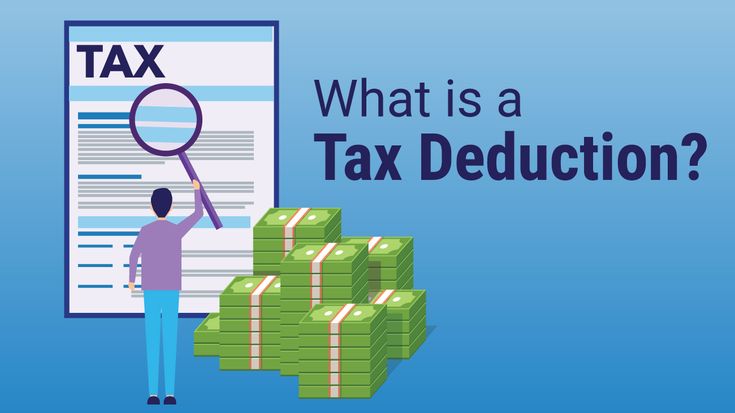
Corporate tax deductions reduce your corporation’s taxable income, meaning you’ll pay taxes only on the net income after eligible business expenses have been deducted. Proper tax planning and accurate bookkeeping are essential to ensure every allowable deduction is claimed.

Businesses that work with a professional corporate tax accountant in London, Ontario, often uncover additional tax-saving opportunities that may otherwise be overlooked.

1. Office Rent and Lease Payments

Corporate tax deductions
Corporate tax accountant in london ontario
Corporate tax filing in london ontario

If your business operates from a rented office, warehouse, retail location, or commercial property, the rent paid throughout the year is generally deductible.

Eligible expenses may include:

  • Monthly rent payments
  • Property management fees
  • Maintenance charges
  • Common area fees

This deduction can provide substantial savings, especially for businesses operating in high-cost commercial locations.

2. Employee Salaries and Wages

One of the largest deductible expenses for many corporations is employee compensation.

Deductible payroll expenses include:

  • Salaries and wages
  • Bonuses and commissions
  • Vacation pay
  • CPP and EI employer contributions
  • Employee benefits

Maintaining accurate payroll records is essential for CRA compliance and corporate tax filing.

3. Professional Accounting and Legal Fees

Professional services that support business operations are generally deductible.

Examples include:

  • Corporate tax preparation fees
  • Legal consultation fees
  • Bookkeeping services
  • Financial statement preparation
  • Tax planning services

Many businesses in Ontario rely on experienced accounting professionals to ensure accurate CRA corporate tax filing and compliance.

4. Business Vehicle Expenses

If company vehicles are used for business purposes, corporations may deduct eligible operating expenses.

These may include:

  • Fuel costs
  • Vehicle insurance
  • Repairs and maintenance
  • Registration fees
  • Lease payments
  • Depreciation (CCA)

Keeping detailed mileage logs is important to support claims during a CRA review.

5. Home Office Expenses

Many Canadian business owners continue to operate remotely or maintain home-based businesses.

Eligible home office deductions may include:

  • Utilities
  • Internet expenses
  • Property taxes
  • Home insurance
  • Mortgage interest (where applicable)
  • Maintenance costs

The portion claimed must reasonably reflect the business use of the workspace.

6. Marketing and Advertising Expenses

Promoting your business is a legitimate deductible expense.

Examples include:

  • Google Ads campaigns
  • Social media advertising
  • Website development
  • SEO services
  • Print advertising
  • Promotional materials

Investments in digital marketing often provide both business growth and tax benefits.

7. Business Insurance Premiums

Insurance costs that protect your business operations are generally deductible.

Common deductible policies include:

  • Commercial liability insurance
  • Property insurance
  • Professional liability coverage
  • Cybersecurity insurance
  • Business interruption insurance

Proper coverage protects your company while lowering taxable income.

8. Capital Cost Allowance (CCA)

Businesses purchasing assets cannot typically deduct the full cost immediately. Instead, they claim depreciation through Capital Cost Allowance (CCA).

Eligible assets include:

  • Computers and technology equipment
  • Office furniture
  • Machinery
  • Vehicles
  • Manufacturing equipment

CCA remains one of the most valuable deductions available to Canadian corporations.

9. GST/HST Paid on Business Expenses

Businesses registered for GST/HST can often recover taxes paid on eligible business purchases through Input Tax Credits (ITCs).

Common examples include:

  • Office supplies
  • Professional services
  • Marketing expenses
  • Equipment purchases

Proper GST/HST filing ensures these tax credits are not missed.

10. Business Travel and Meals

Travel expenses incurred for business purposes may qualify as deductions.

Examples include:

  • Airfare
  • Hotels
  • Transportation
  • Conference registration fees
  • Client meetings

While meal expenses are generally subject to limitations, they still provide valuable tax-saving opportunities when properly documented.

Common Corporate Tax Filing Mistakes to Avoid

Many corporations lose money by making preventable tax filing errors.

Common mistakes include:

  • Missing eligible deductions
  • Poor bookkeeping practices
  • Late T2 Corporate Tax Return submissions
  • Incorrect GST/HST reporting
  • Misclassifying expenses
  • Failing to maintain supporting documents

These mistakes can result in penalties, interest charges, and CRA audits.

CRA Corporate Tax Filing Timeline & Key Deadlines for 2026

Corporate Tax RequirementDeadlineWho Must File?What Happens If You Miss It?Pro Tip
T2 Corporate Tax Return FilingWithin 6 months after fiscal year-endAll incorporated businesses in CanadaLate-filing penalties plus interest chargesPrepare financial statements early
Corporate Income Tax PaymentWithin 2 or 3 months after fiscal year-end*Corporations with taxes owingDaily compound interest on unpaid taxesSet tax reserves throughout the year
GST/HST Return FilingMonthly, Quarterly, or Annually (depends on filing frequency)GST/HST registered businessesCRA penalties and interestReconcile sales monthly
Payroll Remittance Due DateUsually 15th of the following monthEmployers with payroll accountsPayroll penalties can reach 10% or moreAutomate payroll processing
T4 Slip & Summary FilingFebruary 28, 2027Businesses with employeesPenalties based on number of slips filed lateReview employee records before year-end
T5 Information Return FilingFebruary 28, 2027Businesses paying dividends or investment incomeCRA late-filing penaltiesTrack shareholder payments regularly
Corporate Records RetentionMinimum 6 YearsAll corporationsCRA may disallow deductions without proofStore digital and physical records securely

*Certain Canadian-Controlled Private Corporations (CCPCs) may qualify for the extended payment period.

Important CRA Reminder for 2026

Businesses should not wait until filing season to organize their records. Maintaining accurate bookkeeping, payroll records, GST/HST reports, and expense documentation throughout the year can significantly reduce filing errors and help maximize available tax deductions.

Working with a professional corporate tax accountant ensures your T2 Corporate Tax Return, GST/HST filings, payroll obligations, and CRA compliance requirements are completed accurately and on time.

Why Professional Corporate Tax Filing Matters

Corporate taxation can be complex, particularly for growing businesses. Professional support helps corporations:

  • Maximize tax deductions
  • Reduce compliance risks
  • Improve financial reporting
  • Minimize CRA audit exposure
  • Develop long-term tax strategies

Working with an experienced corporate tax accountant can often uncover deductions that business owners may not know exist.

How Money Matrix Helps Businesses Save on Corporate Taxes

Navigating corporate taxes requires expertise, accuracy, and strategic planning. At Money Matrix, businesses receive comprehensive support for:

  • Corporate Tax Filing in London, Ontario
  • T2 Corporate Tax Return Preparation
  • GST/HST Filing Services
  • Bookkeeping Services
  • Financial Statement Preparation
  • CRA Compliance Support
  • Corporate Tax Planning

By combining accurate bookkeeping with proactive tax strategies, Money Matrix helps businesses reduce tax liabilities, maximize deductions, and stay compliant with CRA requirements.

Final Thoughts

Corporate tax deductions play a crucial role in reducing taxable income and improving profitability. Understanding what expenses qualify—and maintaining proper documentation—can make a significant difference in your annual tax bill.

Whether you’re a startup, incorporated professional, or established business, proper corporate tax filing in London, Ontario, ensures you take advantage of every available deduction while meeting all CRA requirements.

Partnering with knowledgeable tax professionals can help your corporation save money, avoid costly mistakes, and focus on growing your business with confidence.

Leave a Reply

Your email address will not be published. Required fields are marked *